
How to Stop a Dog from Barking with Simple Training Tips That Really Work
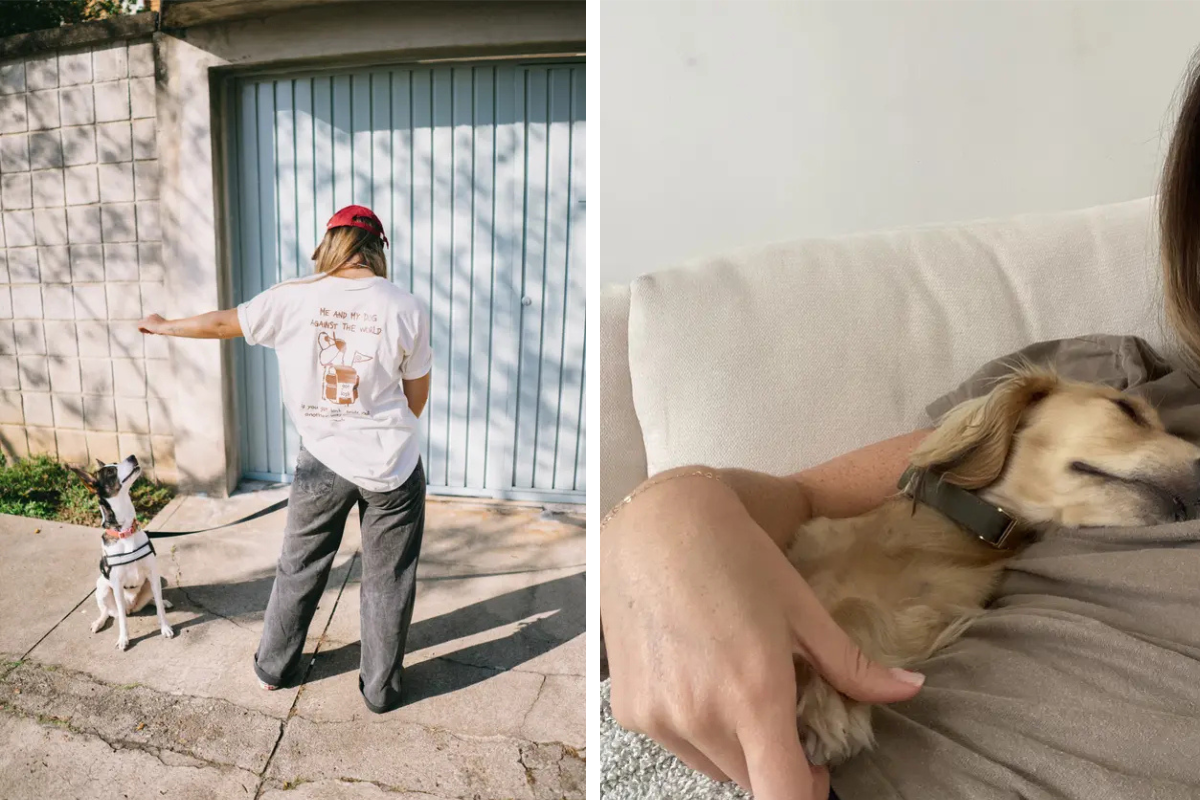
Dogs bark. That’s their way of communicating. But when your furry friend won’t stop barking, it can get frustrating really fast. Whether it’s bothering you, your family, or the neighbors, you’re definitely not alone. Luckily, there are super simple things you can do at home to help your dog calm down and bark less—no pro training required.
Let’s break it all down step-by-step so you can enjoy more quiet and more peace.
Why Dogs Bark (And Why It Matters)
Dogs bark when they’re excited, scared, bored, or trying to get attention. It’s a natural response to their environment. But constant barking often means there’s an underlying issue: anxiety, lack of stimulation, or simply wanting your attention.
Understanding why your dog is barking is the first big step. Once you figure that out, everything else becomes easier.

Types of Barking (Yep, There’s More Than One)
Not all barking means the same thing. Here are some common types:
- Alert barking when someone walks by
- Attention barking for treats or toys
- Anxiety barking when left alone
- Boredom barking when there’s nothing else to do
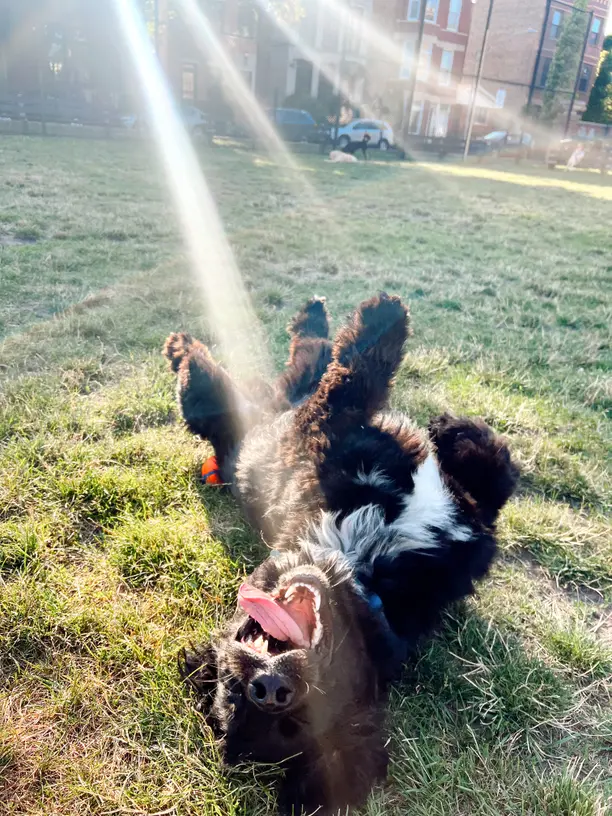
Start listening for patterns. Over time, you’ll start understanding your dog’s unique “language.
Stay Calm—Don’t Yell
It’s tempting to shout when your dog won’t stop barking. But yelling can actually make it worse. Your dog might think you’re joining in. Instead, keep your tone calm and firm. Use a consistent command like “Quiet” or “Enough.”
Reward the Quiet Moments
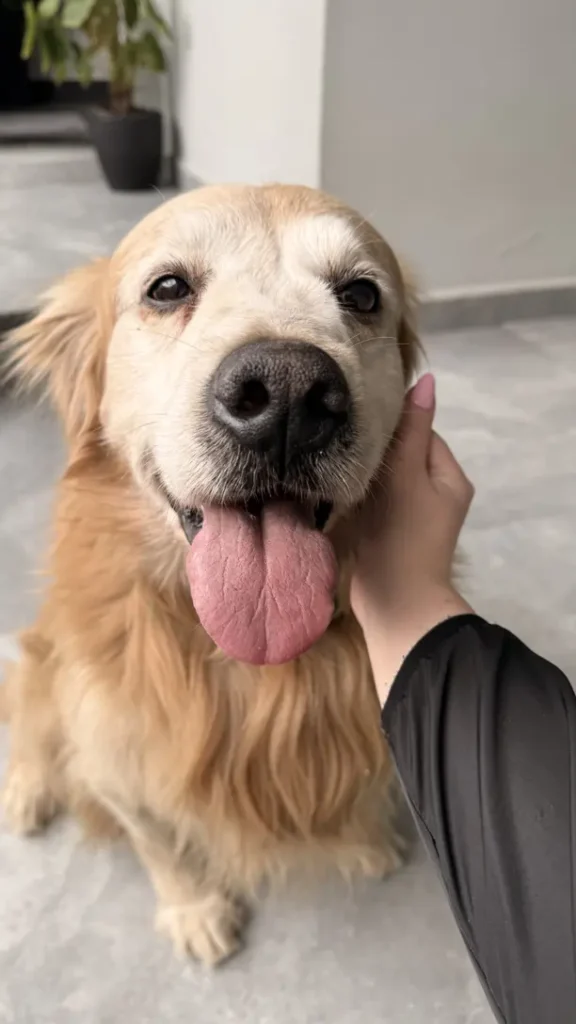
As soon as your dog pauses their barking—even for a second—give a treat and say something like “Good quiet!” This teaches them that being silent brings rewards.

Got a doorbell barker? Wait for that short pause, then reward. Repeat, and be consistent.
Give Your Dog More Exercise
A tired dog = a quiet dog. Daily walks, games of fetch, or backyard playtime can help your pup release extra energy. Less energy often means less barking.
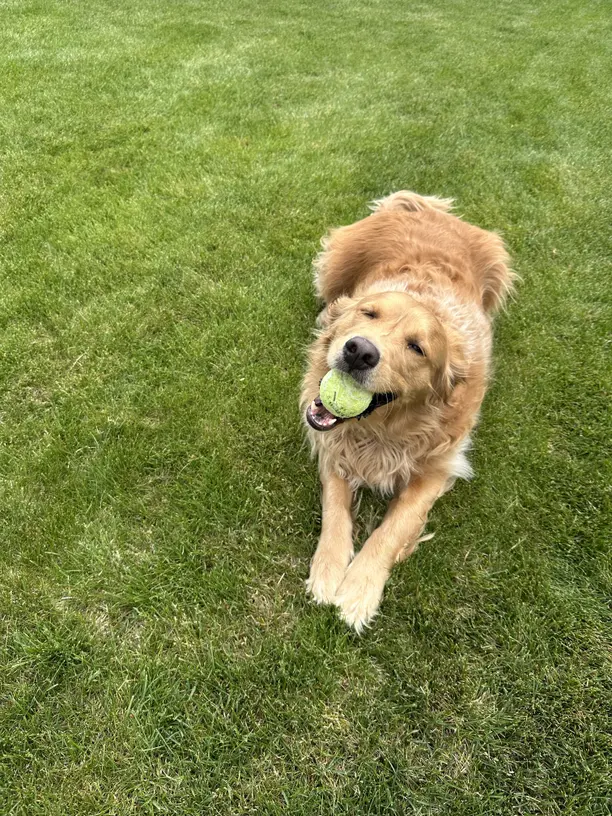
Mental stimulation is just as important. Puzzle toys or chew toys with hidden treats are great for keeping your dog busy.
Help With Boredom and Anxiety
Some dogs bark just because they’re bored or anxious. Try:
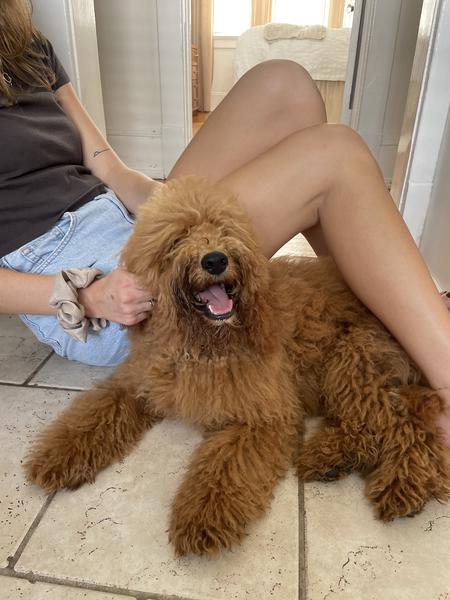
- Chew toys or treat-dispensing puzzles
- Background noise like TV or soft music
- Leaving behind something with your scent, like a worn T-shirt
- Doggy playdates or short visits from a neighbor while you’re away
These small changes can make a big difference.
Teach the “Quiet” Command
Practice this when it’s calm. Wait for your dog to bark, then as soon as they stop—even briefly—say “Quiet” and reward. Do this consistently. Over time, they’ll learn what the word means.
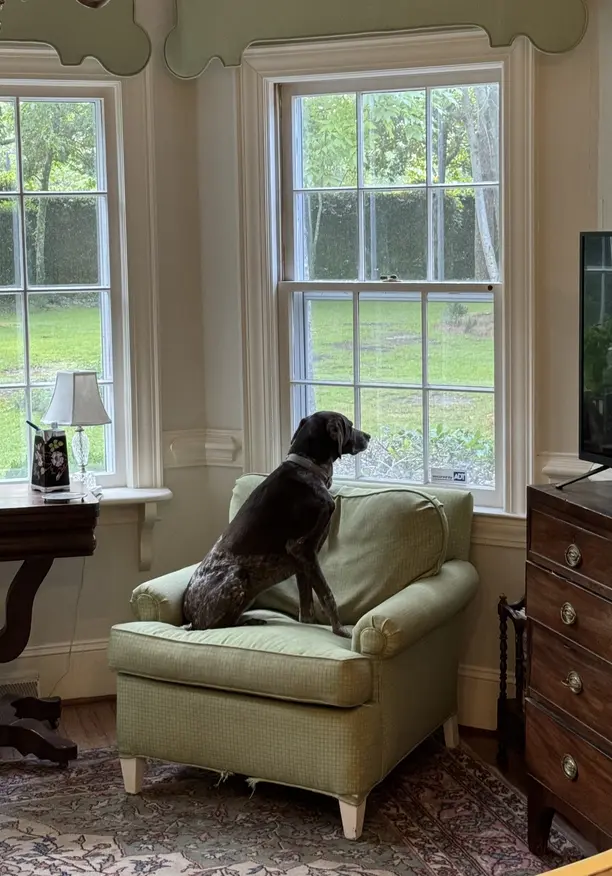
Don’t Accidentally Encourage Barking
If your dog barks and you give them what they want (like attention or a toy), you’re reinforcing the behavior. Instead:
- Wait for silence
- Reward only the quiet behavior
It’s a small shift that can change everything.
Use White Noise or Soft Music
Is your dog triggered by every little sound? A white noise machine or gentle music can mask outside noise and help your dog relax. It’s especially useful for dogs that bark at random outdoor sounds.
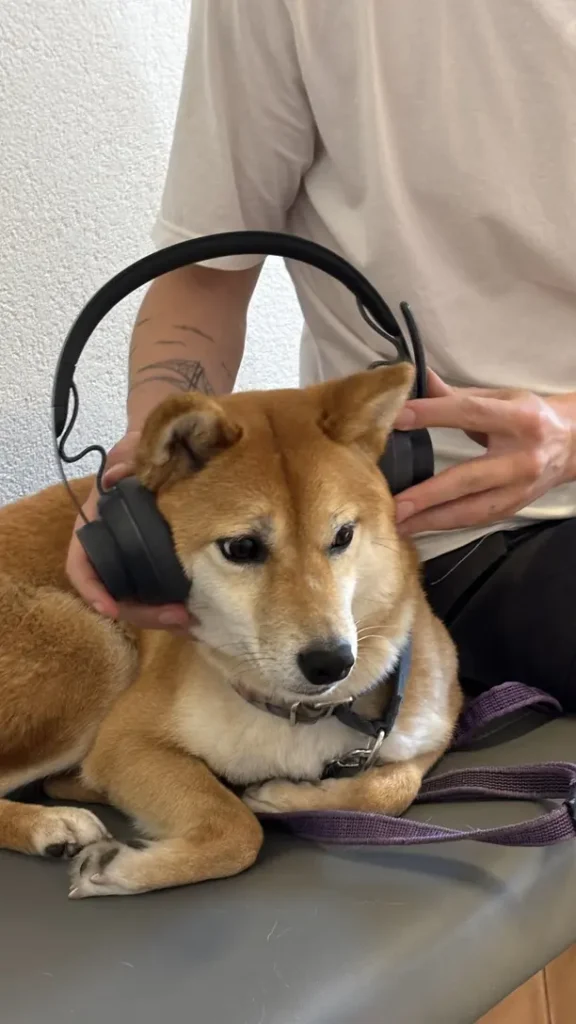
Block the View
If your dog barks at people walking by, close the curtains or move their bed away from the window. Sometimes, simply limiting what they can see helps reduce that reactive barking.
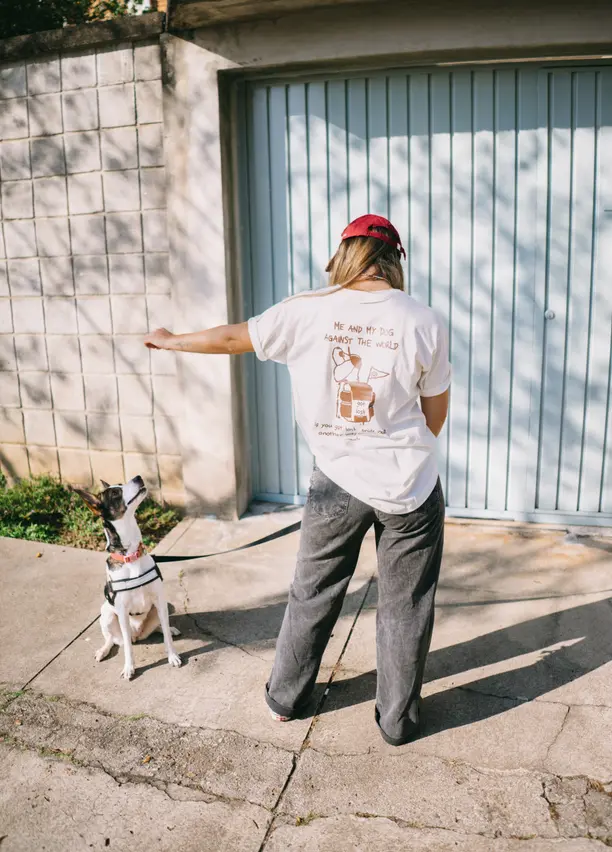
Socialize Your Dog
Some dogs bark because they’re unsure about new people or pets. Gentle socialization can build confidence. Start with short, positive experiences around calm dogs and friendly humans. Go at your dog’s pace.
Stay Consistent
Everyone in the household needs to follow the same rules. If one person allows barking and another corrects it, your dog will get confused. Consistency is key for lasting change.
Avoid Shock Collars
They might seem like a quick fix, but shock collars can lead to fear and stress. Instead, focus on positive, humane training techniques. They take time, but they build trust and lasting results.

When to Call a Trainer
If you’ve tried everything and barking is still a major issue, a certified dog trainer can help. Many even offer virtual consultations. Getting help doesn’t mean you failed—it just means you care.
Bonus Tip: Keep a Barking Diary
Write down when your dog barks, what triggered it, and how long it lasted. After a few days, patterns usually emerge. It’s a simple way to figure out what’s really going on.
Celebrate the Little Wins
Training takes time. Celebrate progress—even if it’s just 10 minutes less barking than yesterday. You’re moving in the right direction, and every small win counts.
Final Thoughts
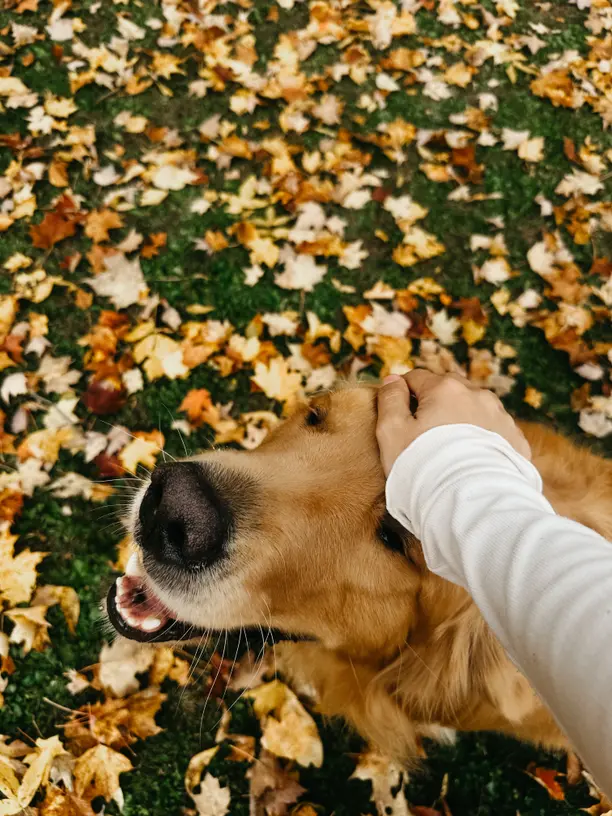
Barking is normal. But nonstop barking doesn’t have to be. With some patience, consistency, and the right tools, your home can feel calmer, and your dog can feel more secure.
Just remember: Your dog isn’t trying to annoy you. They’re trying to tell you something. When you listen, respond with love, and stay patient, barking becomes something you both understand—and manage—together.