
Unleash Fun with the Best Dog Toys for Every Pups Needs
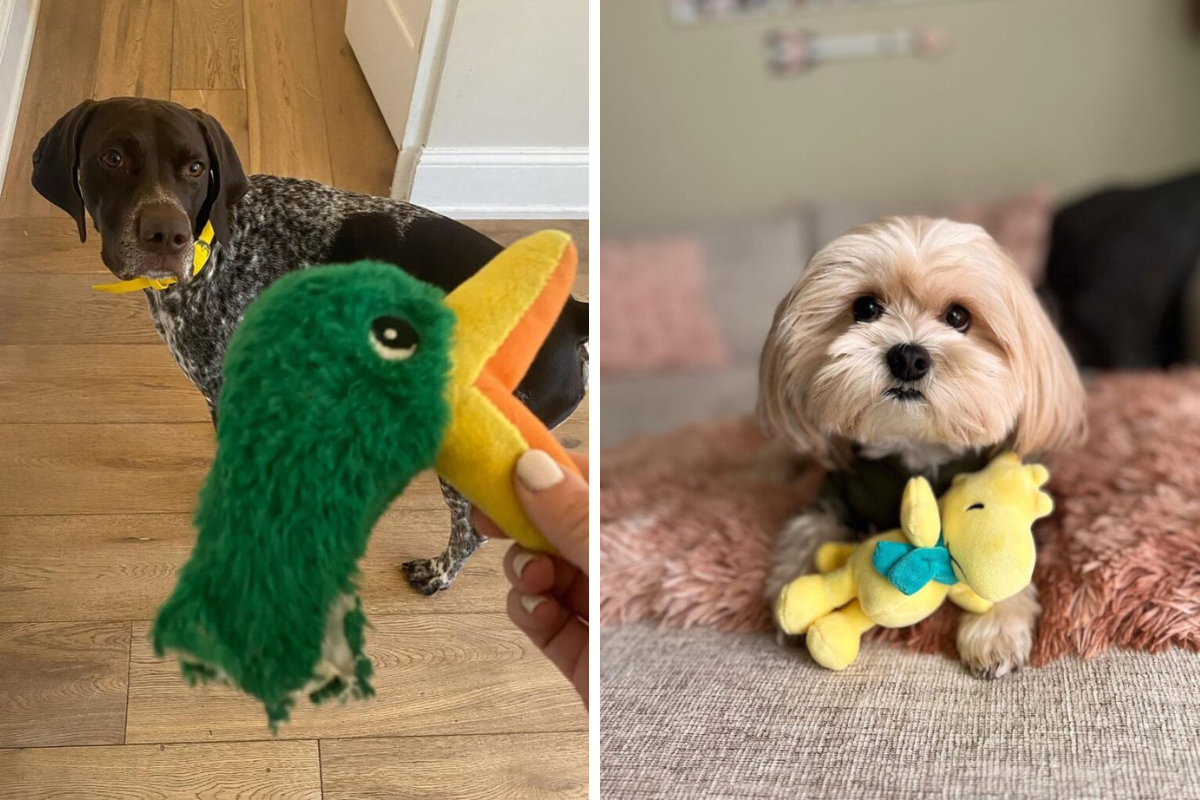
Dogs are more than just pets—they’re loyal companions that offer unconditional love, support, and joy. They can brighten our days, make us laugh, and offer comfort when we need it most. As a responsible pet parent, it’s essential to return the favor by ensuring that your dog has the best toys to keep them happy, active, and healthy.

While selecting dog toys can be fun, it’s important to consider a few key factors to ensure their safety and well-being. Here are some essential dos and don’ts to guide you in selecting the right toys for your furry friend.
1. Choking Hazards: Be Aware
It’s heartbreaking to start a list with such a serious issue, but choking is a common and potentially deadly hazard for dogs. In the U.S. alone, approximately 4.5 million dogs die from choking each year. Many dogs end up in the vet’s office due to this issue. To prevent accidents, always choose toys that are larger than your dog’s mouth to avoid the risk of choking. Prevention is key, as you may not always be there to assist in an emergency.

2. Invest in Durable Toys
We all know that dogs have a knack for chewing on everything they can get their paws on. Whether they’re a tiny puppy or a full-grown dog, they go through a phase where everything, from shoes to furniture, becomes a chew toy. To protect your belongings and satisfy your dog’s chewing instinct, invest in durable, tough toys. Choose items designed to withstand strong jaws and prolonged chewing, so you can save money in the long run and avoid replacing toys too often.
3. Promote Physical and Mental Activity
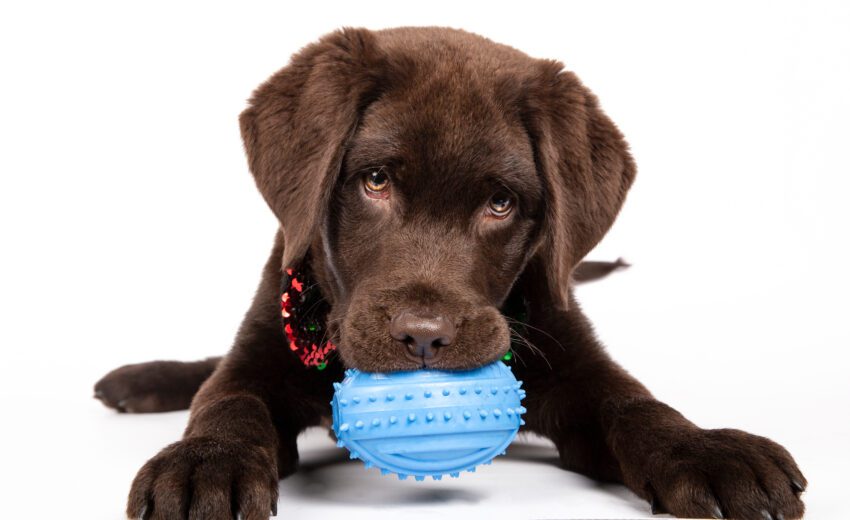
Dogs are naturally energetic and curious creatures. Sitting around doing nothing can quickly lead to boredom and destructive behavior. To promote both mental and physical health, engage your dog in active play. Toys like balls, frisbees, and chew ropes can encourage movement and exercise. Playing games like fetch or tug-of-war can also help burn off excess energy and strengthen the bond between you and your dog.
4. Maintain Variety in Their Toy Collection
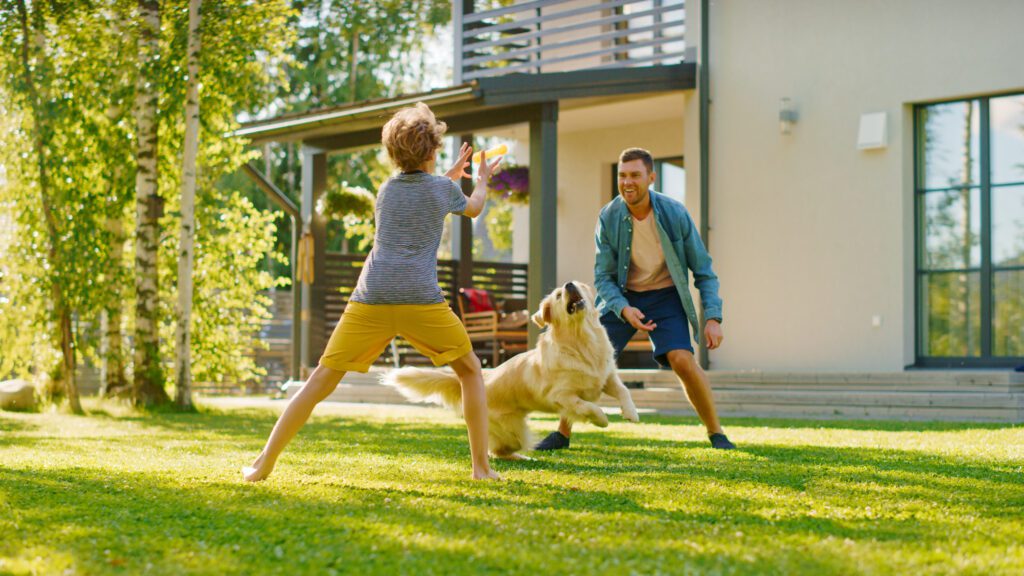
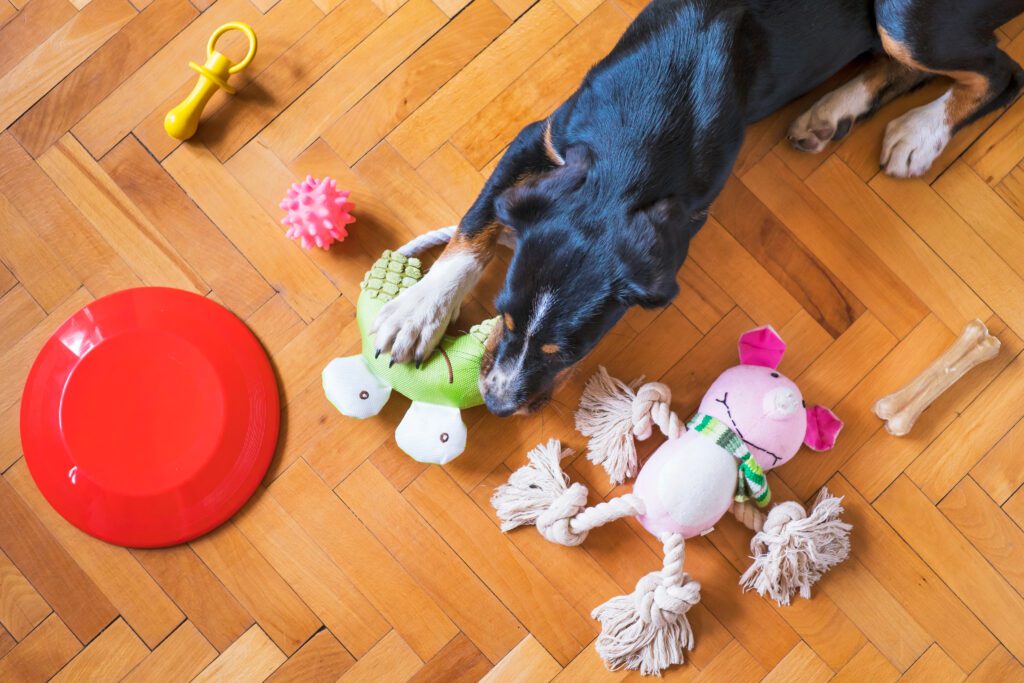
Dogs, like humans, can get bored with repetitive activities. Even if they have a favorite toy, it’s important to keep their playtime exciting and stimulating by offering a variety of toys. Rotate toys regularly so that your dog always has something fresh to explore. Whether it’s a plush toy, a ball, or a puzzle, keeping their toy collection diverse can keep them engaged and satisfied.
5. Prioritize Hygiene
Dogs are, unfortunately, not the cleanest creatures. While regular baths are a must to maintain their health, their toys also need to be cleaned frequently. Toys can accumulate bacteria, dirt, and germs, especially after being chewed on. Make it a habit to wash your dog’s toys thoroughly at least twice a month with pet-safe detergents to prevent any buildup of harmful bacteria.

6. Regularly Inspect Toys for Wear and Tear
Dogs tend to get excited and rough with their toys, which can lead to wear and tear. This is particularly dangerous if small broken pieces or cotton bits are left exposed, as these can pose choking risks. Always check your dog’s toys for damage, and replace any that show signs of wear, such as fraying, cracks, or pieces coming loose.
7. Rotate Toys for Maximum Engagement
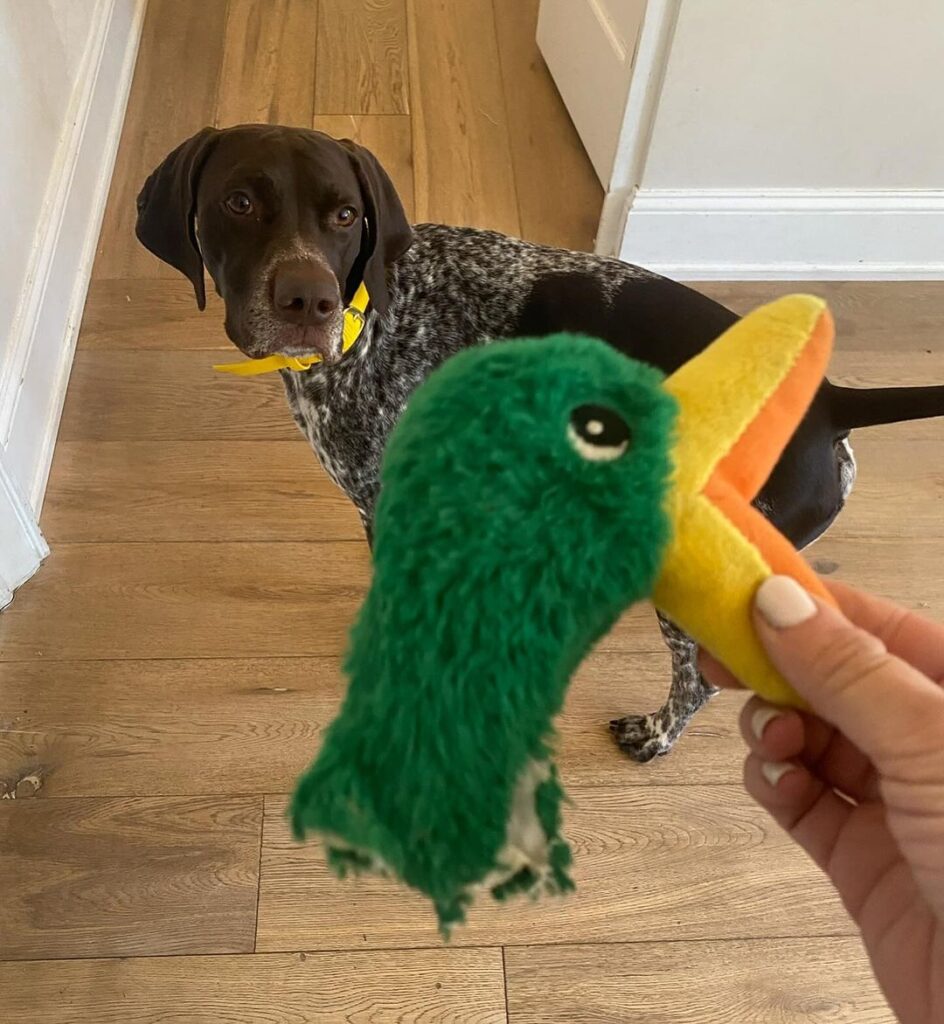
To keep your dog mentally stimulated, introduce new toys every so often. However, you don’t need to buy a brand-new toy each time. Instead, rotate existing toys every few weeks. You can keep two sets of toys and switch them out to give your dog something fresh to play with. This not only saves money but also prevents your dog from getting bored with their toys.
8. Consider Your Dog’s Age and Health
Just like humans, dogs have different needs depending on their age. Puppies are teething and need soft, lightweight toys to help soothe their gums, while older dogs may benefit from sturdier, more stimulating toys. Always choose toys that are suitable for your dog’s life stage, energy level, and dental health. For senior dogs, focus on softer, quieter toys that don’t require too much effort to play with.
9. Use Toys for Bonding
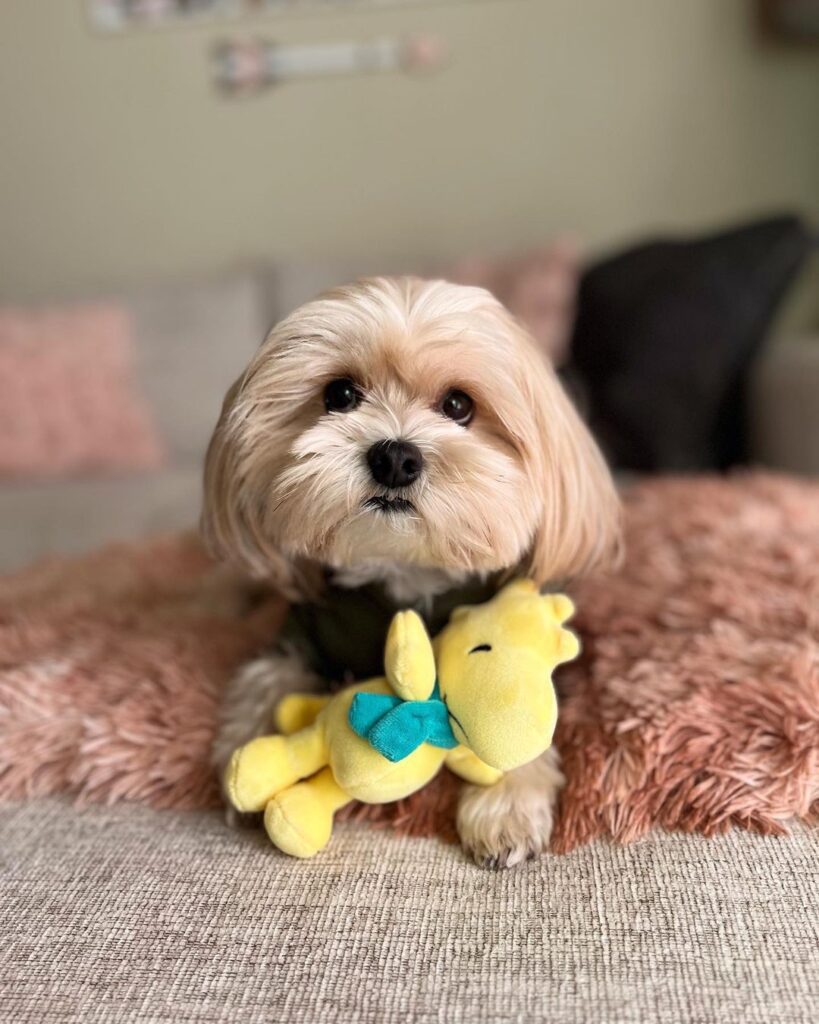
Toys aren’t just for play—they can be used as a tool to strengthen the bond between you and your dog. Playing together fosters trust and builds a deeper connection with your dog. Reward your dog with new toys when they learn a new command, or use toys as part of positive reinforcement during training sessions.

10. Support Dental Health
Chewing is a natural and healthy activity for dogs. Not only does it help relieve stress, but it also plays a significant role in maintaining their dental health. Chewing on appropriate toys helps reduce plaque and tartar buildup and prevents gum disease. Look for chew toys specifically designed to help clean your dog’s teeth and gums, especially for puppies and older dogs who may be more prone to dental issues.

11. Challenge Their Minds with Puzzles
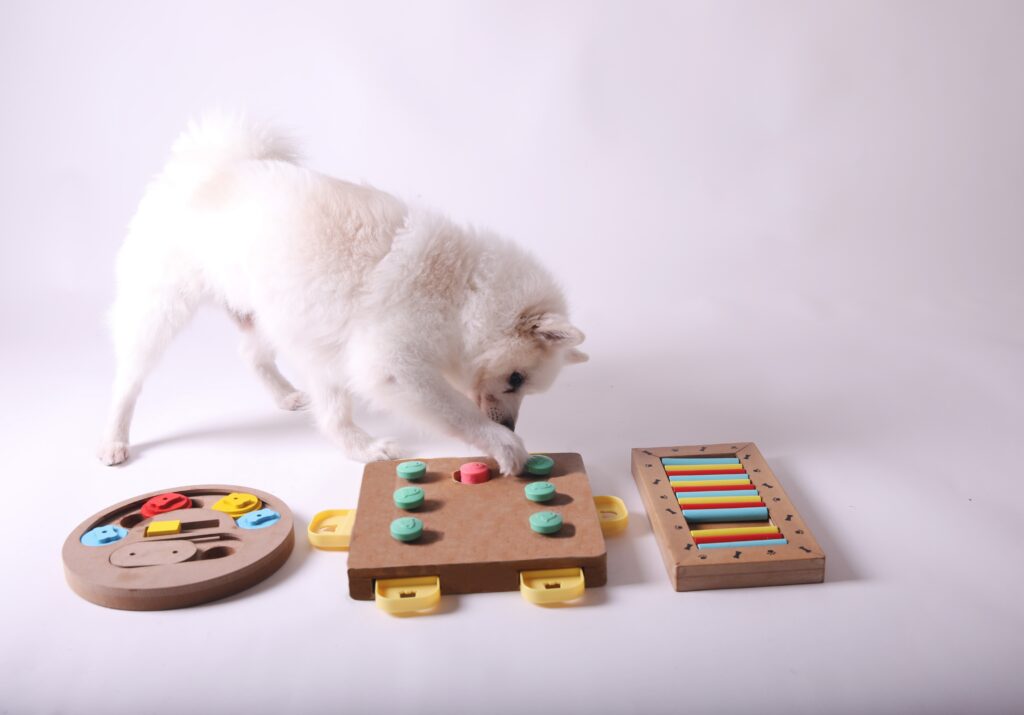
Dogs are intelligent creatures, and many breeds thrive on mental stimulation. Puzzle toys, which require dogs to solve a problem to access a treat or reward, can be an excellent way to keep your dog engaged. These types of toys help to challenge your dog’s mind, prevent boredom, and even promote problem-solving skills.

12. Check for Safety Certifications
Before purchasing any toy, make sure it has a safety certification. Certified toys are guaranteed to be made from non-toxic materials, ensuring your dog’s safety. These certifications also ensure that the toy is durable enough for your dog’s activity level, reducing the risk of accidents.

13. Always Monitor New Toys
When introducing a new toy to your dog, always supervise their initial playtime. This will allow you to observe any potential issues, such as an allergic reaction or unexpected behavior. If your dog shows signs of discomfort, remove the toy immediately and consult your veterinarian.
14. Avoid Small Toys for Large Dogs
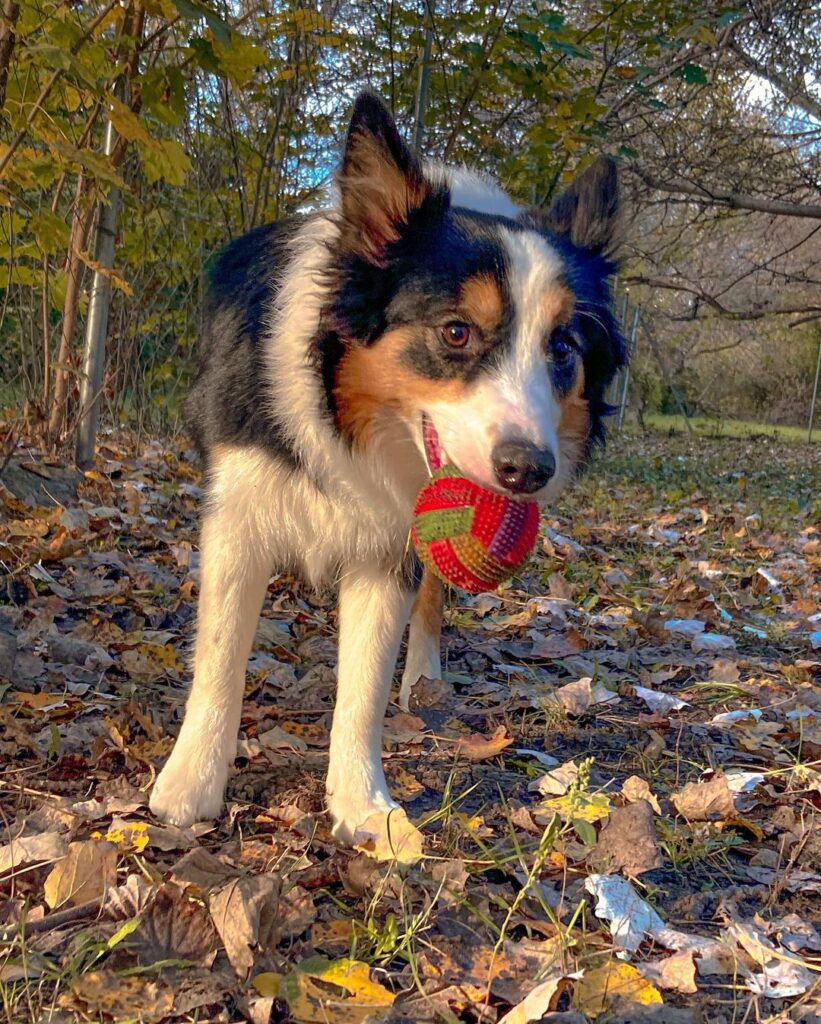
Size matters when it comes to dog toys. A toy that’s suitable for a tiny puppy can pose a serious choking hazard for a larger dog. Always ensure that the toy is appropriate for your dog’s size. A toy that is too small for a large dog could easily be swallowed or become lodged in their throat.
15. Be Mindful of Toxic Materials
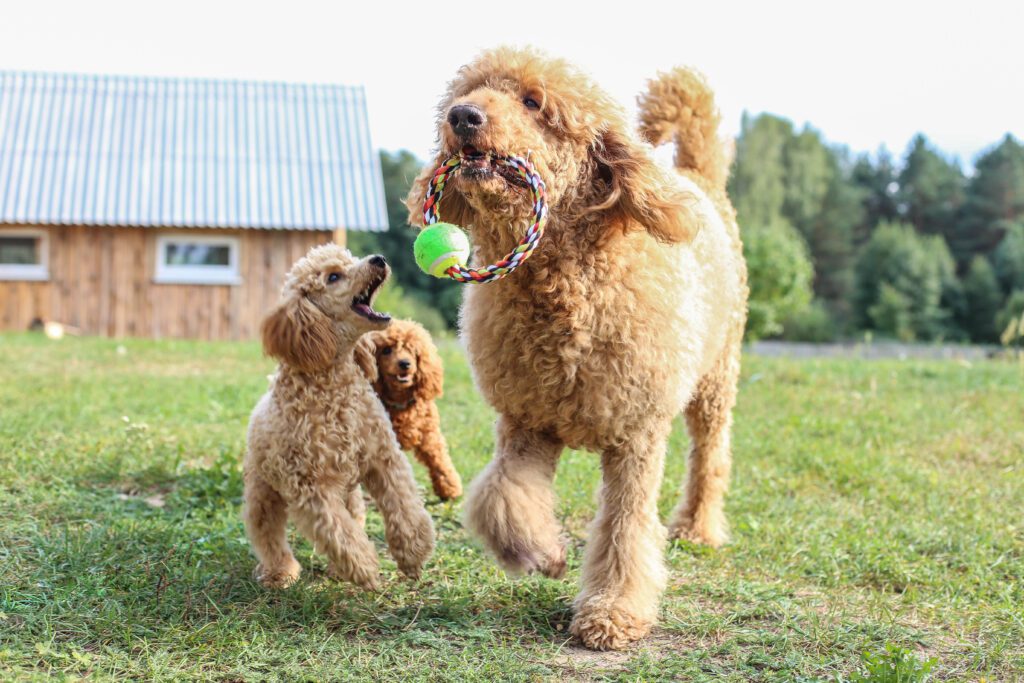
Some toys may contain harmful chemicals or materials that can be toxic to dogs. Always check the ingredients of the toys you buy to ensure they are safe and non-toxic. Avoid toys made from plastic or rubber that may contain harmful additives, and choose natural materials when possible.
16. Avoid Toys That Resemble Household Items
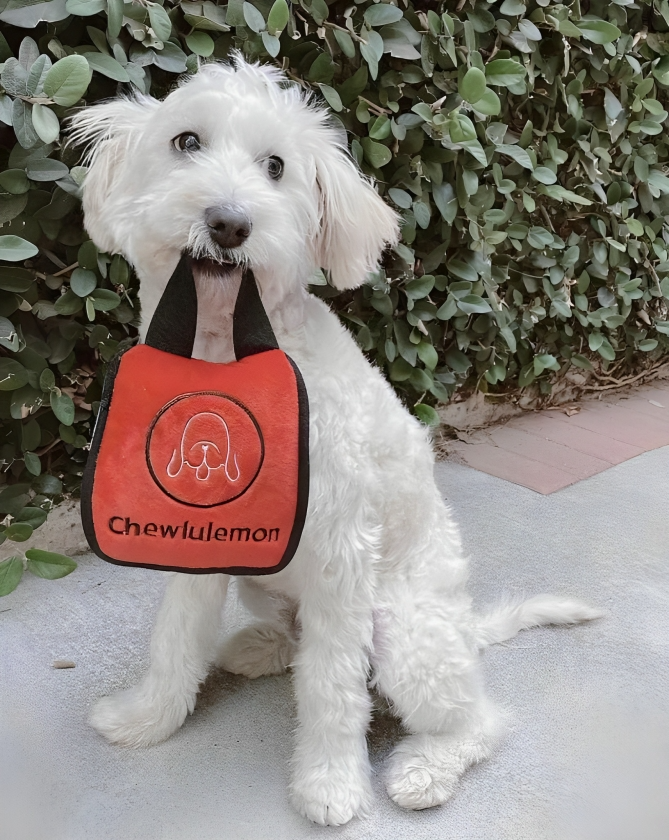
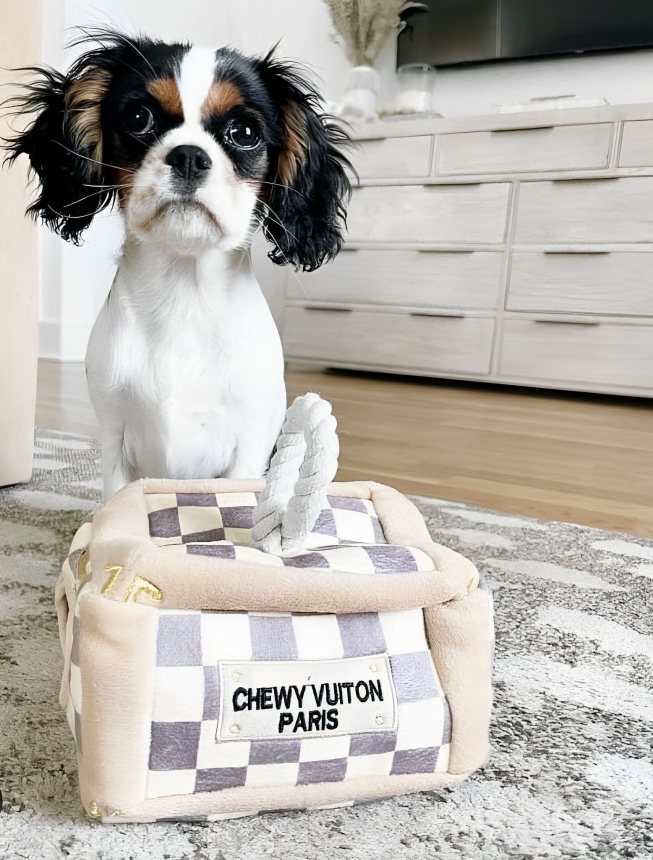
Dogs are clever and can easily recognize items that resemble their owners’ possessions. However, that doesn’t mean they understand the difference between a toy and a cherished personal item. Avoid toys that look like furniture or clothing items to prevent your dog from mistaking them for something they can chew on.
17. Replace Worn-Out Toys
Over time, toys can become worn, dirty, or broken. Not only does this decrease their appeal, but it can also pose a safety hazard. Regularly replace toys that are no longer in good condition to ensure your dog has the best possible play experience.
18. Avoid Toys with Artificial Coatings
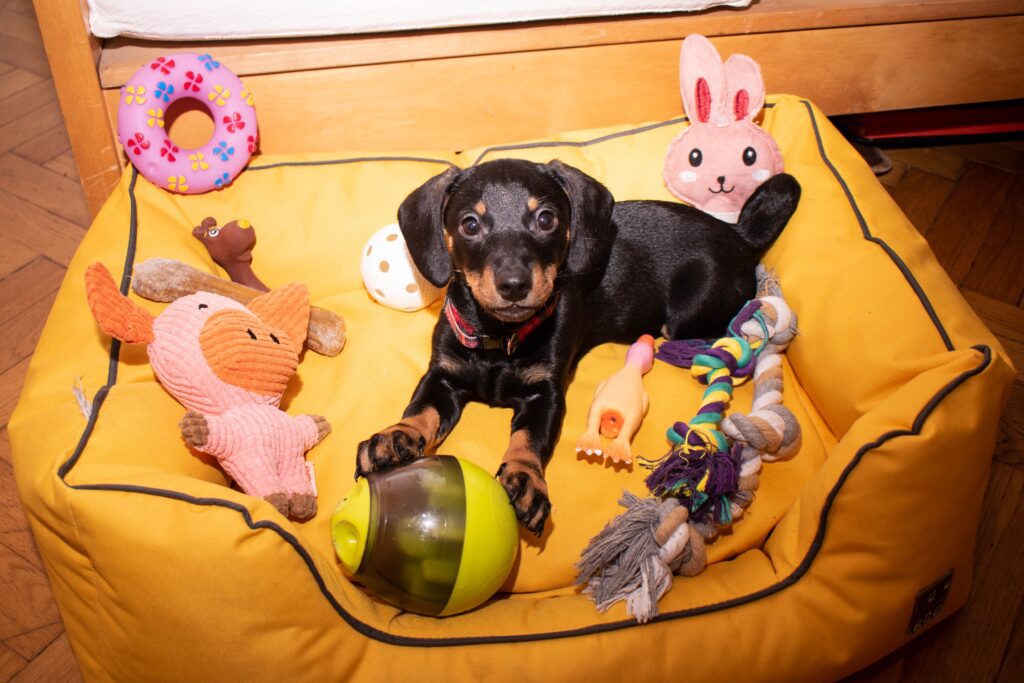
While colorful toys may seem fun, some manufacturers use toxic paints or coatings on dog toys that can peel and cause harm if ingested. Always opt for toys made with natural, non-toxic materials that are safe for your dog to chew on.

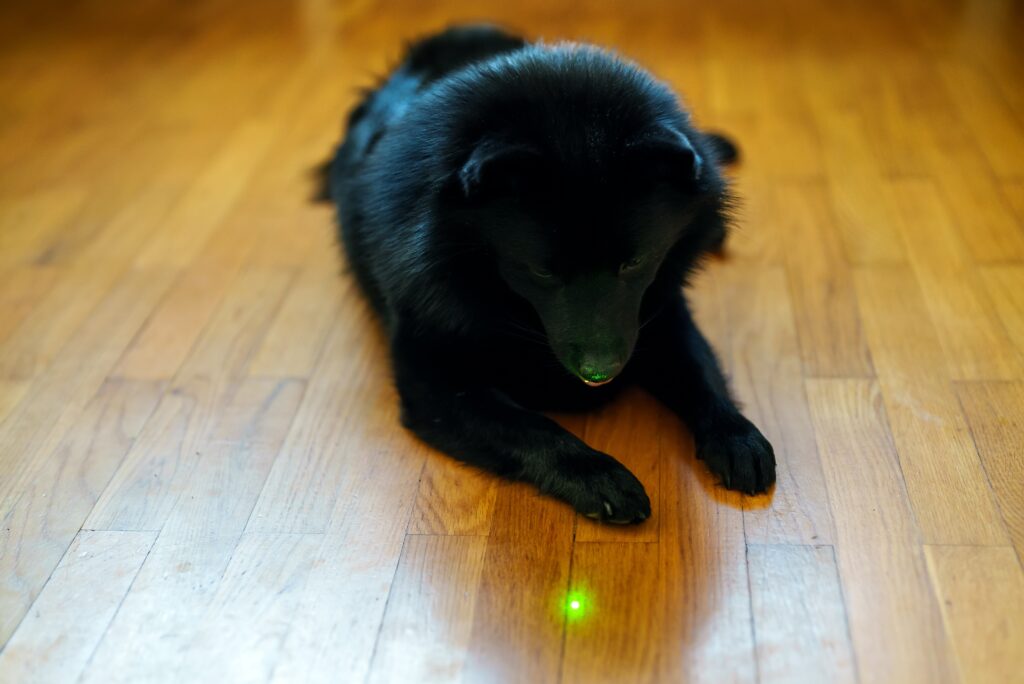
19. Don’t Use Laser Pointers
While laser pointers can be fun for a brief moment, they can also lead to obsessive behavior in dogs. If a dog becomes fixated on the light, it can develop compulsive habits that are hard to break. Instead, use toys that allow your dog to physically interact and engage, rather than just chase a light.
20. Toys for Aggressive Chewers
If your dog is an aggressive chewer, you’ll need to invest in toys that can withstand their powerful jaws. Look for tough, indestructible toys that are designed for heavy chewers, such as hard rubber toys, rope toys, and reinforced fabric.

21. Stay Up to Date with Recalls
Sometimes, toys are recalled due to safety concerns. Make sure to stay informed about any recalls on pet products by regularly checking product safety lists. If a toy has been recalled, remove it from your dog’s collection immediately to prevent any potential harm.

22. Training with Toys
Toys can also serve as an excellent tool for training your dog. Use toys during positive reinforcement training to teach your dog new commands, tricks, or behaviors. When they follow through, reward them with their favorite toy to reinforce their good behavior.

Final Thoughts
Choosing the right toys for your dog is more than just picking something that looks fun. It’s about safety, durability, and enhancing your dog’s quality of life. By keeping these tips in mind, you can ensure that your dog has a fulfilling, safe, and enjoyable playtime experience. After all, our dogs deserve the best!