
How to Care for Indoor Plants for Healthy Growth
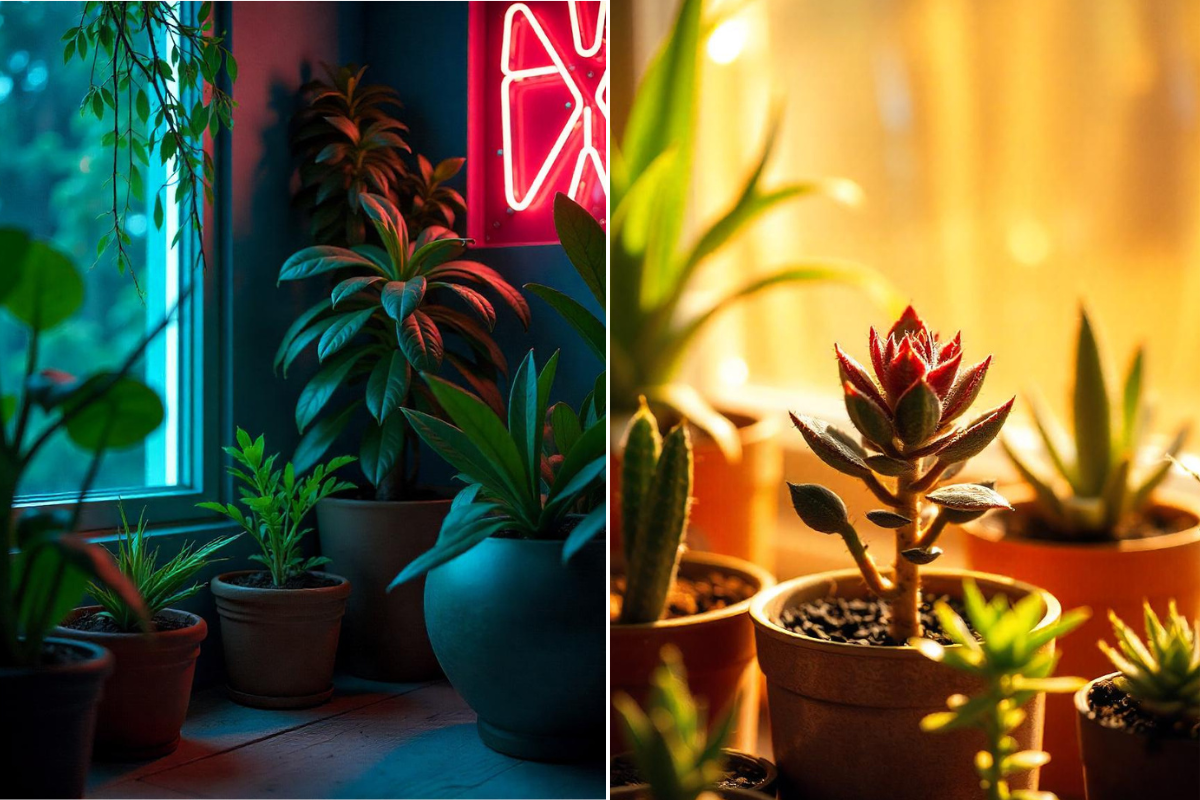
Indoor plants can make your home feel fresh, calm, and beautiful. They also help improve the air around you.
But plants need proper care to stay healthy.
Below are easy tips to help your indoor plants grow well and stay strong.
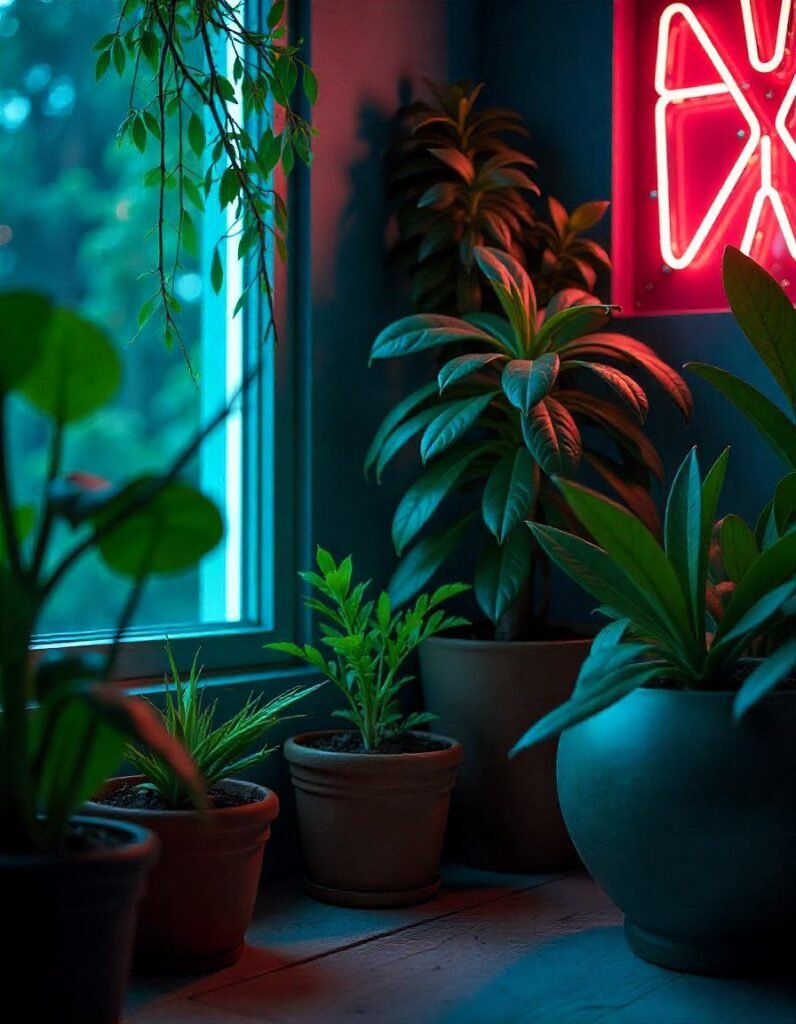
1. Choose the Right Plant
Start by picking plants that match your home environment.
Check how much light, temperature, and humidity your space has.

For example:
- Succulents like bright sunlight
- Ferns prefer shade and moisture
When you choose the right plant, it becomes much easier to care for.
2. Understand Light Needs
Light is very important for plant growth.
Place your plants where they can get the right amount of light:
- Near windows for bright light
- Away from direct sun if the plant prefers shade
If your home does not get much sunlight, you can use a simple grow light.
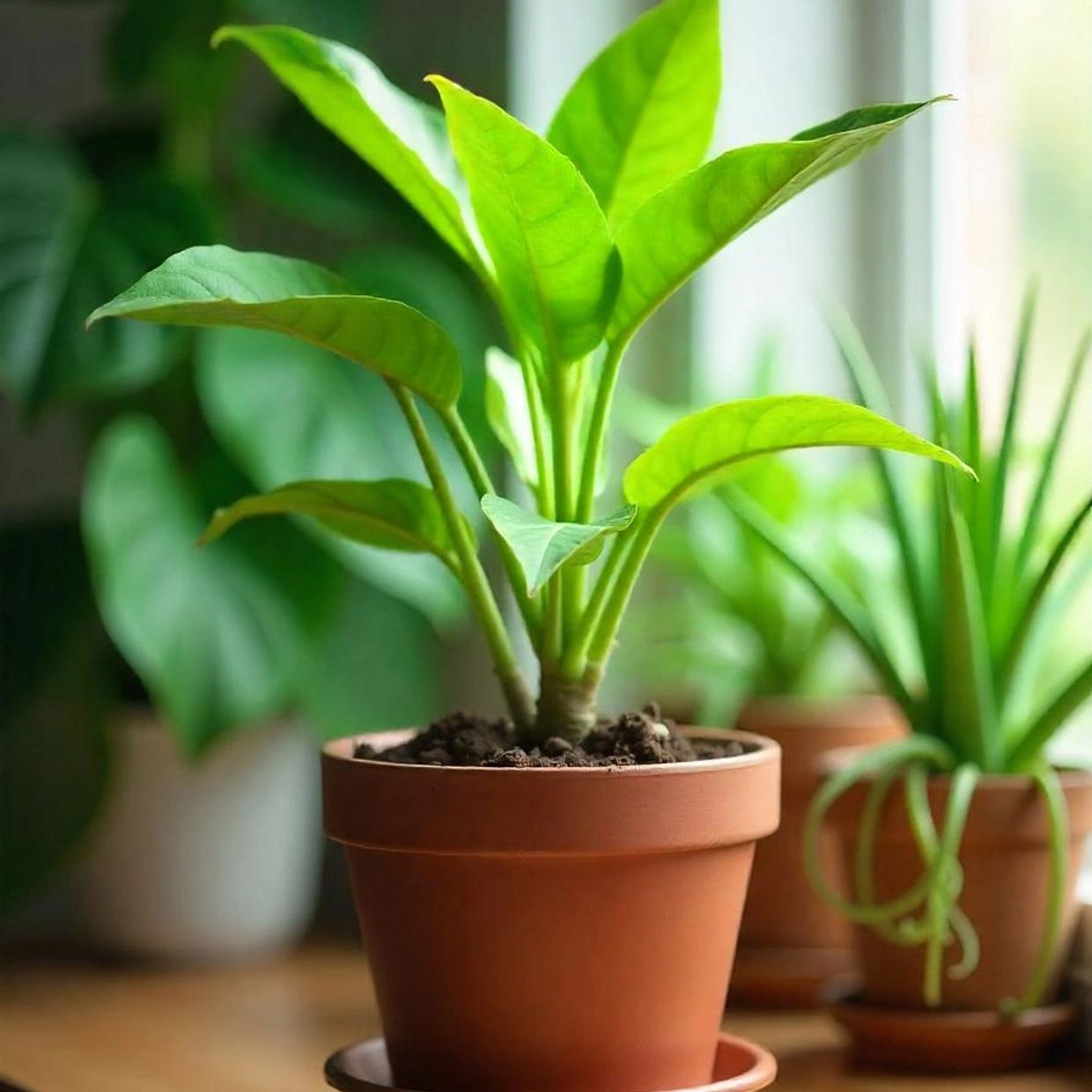
3. Water the Right Way
Too much water can harm plants.
Before watering, check the soil:
- Put your finger into the soil
- If the top layer feels dry, then water
Always use pots with drainage holes. Never let water sit at the bottom.
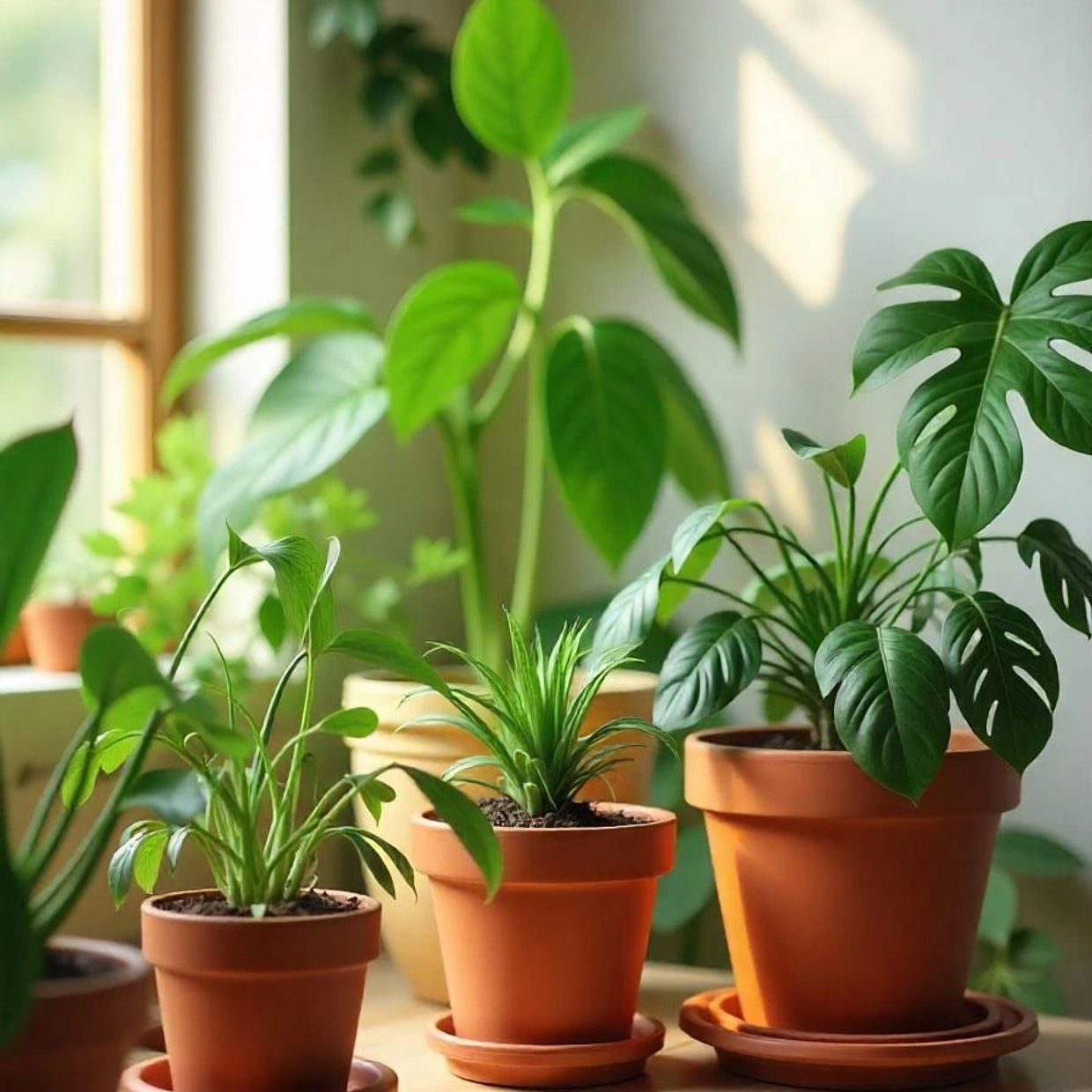
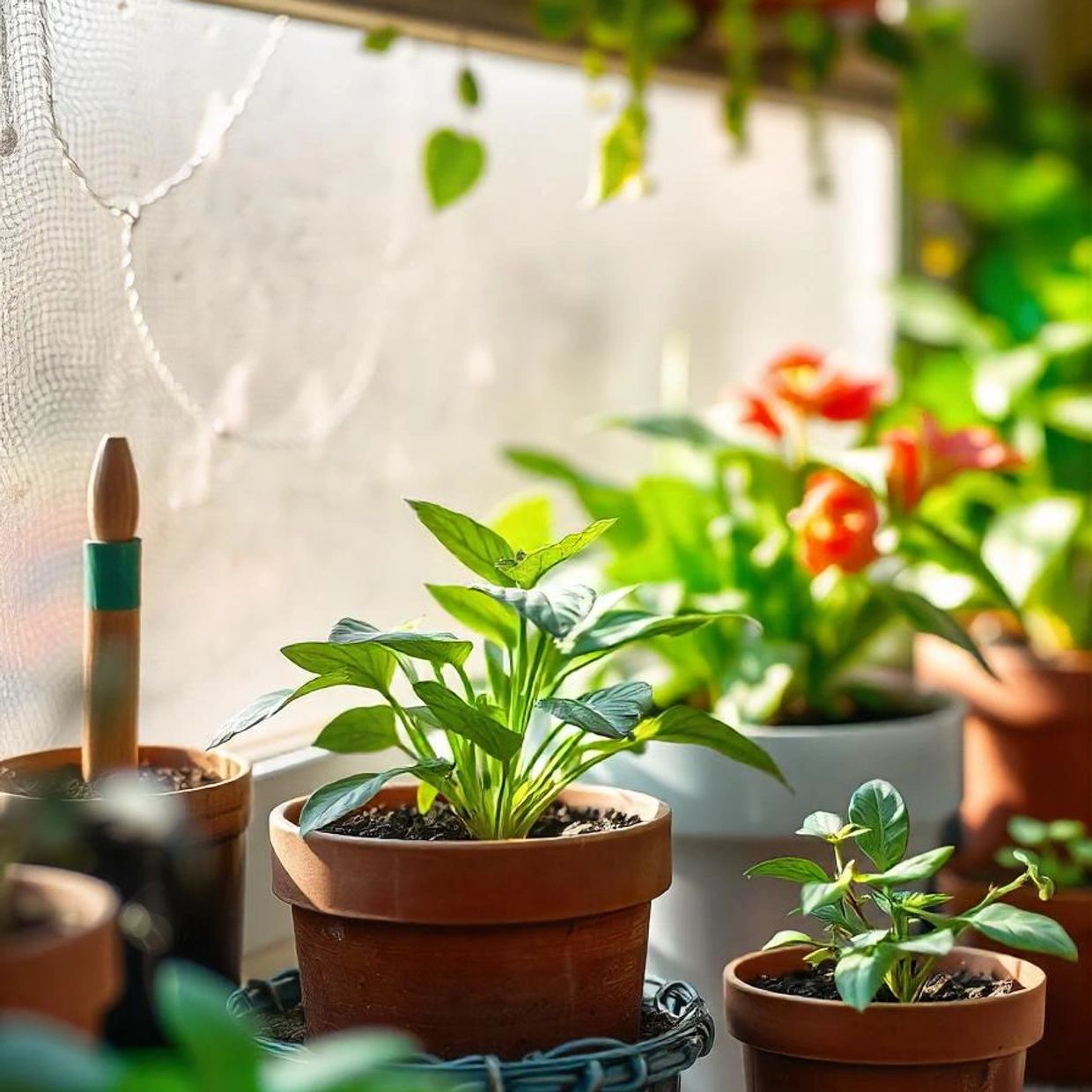
4. Keep Humidity Balanced
Indoor air can be dry, especially in colder months.
To increase moisture:
- Use a humidifier
- Place plants close together
- Keep a tray of water nearby
Some plants need more humidity than others, so adjust as needed.
5. Use Fertilizer Carefully
Plants need nutrients to grow.
Use a balanced fertilizer once a month during the growing season.
Do not use too much. Too much fertilizer can damage the plant.
In winter, most plants need less feeding.
6. Repot When Needed
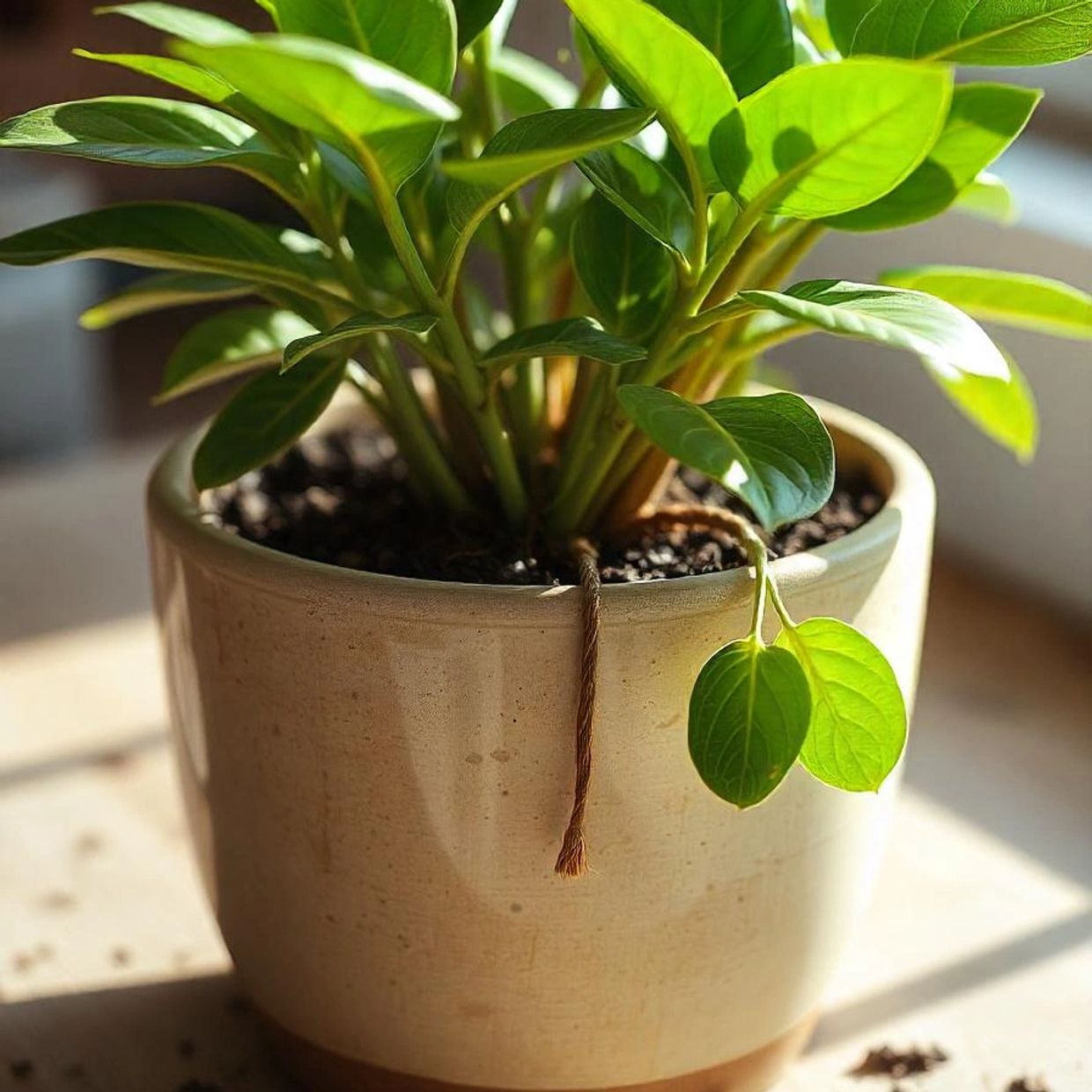
As plants grow, their roots need more space.
Signs your plant needs a bigger pot:
- Roots coming out from the bottom
- Slow growth
Move it to a slightly larger pot with fresh soil.
7. Trim Your Plants
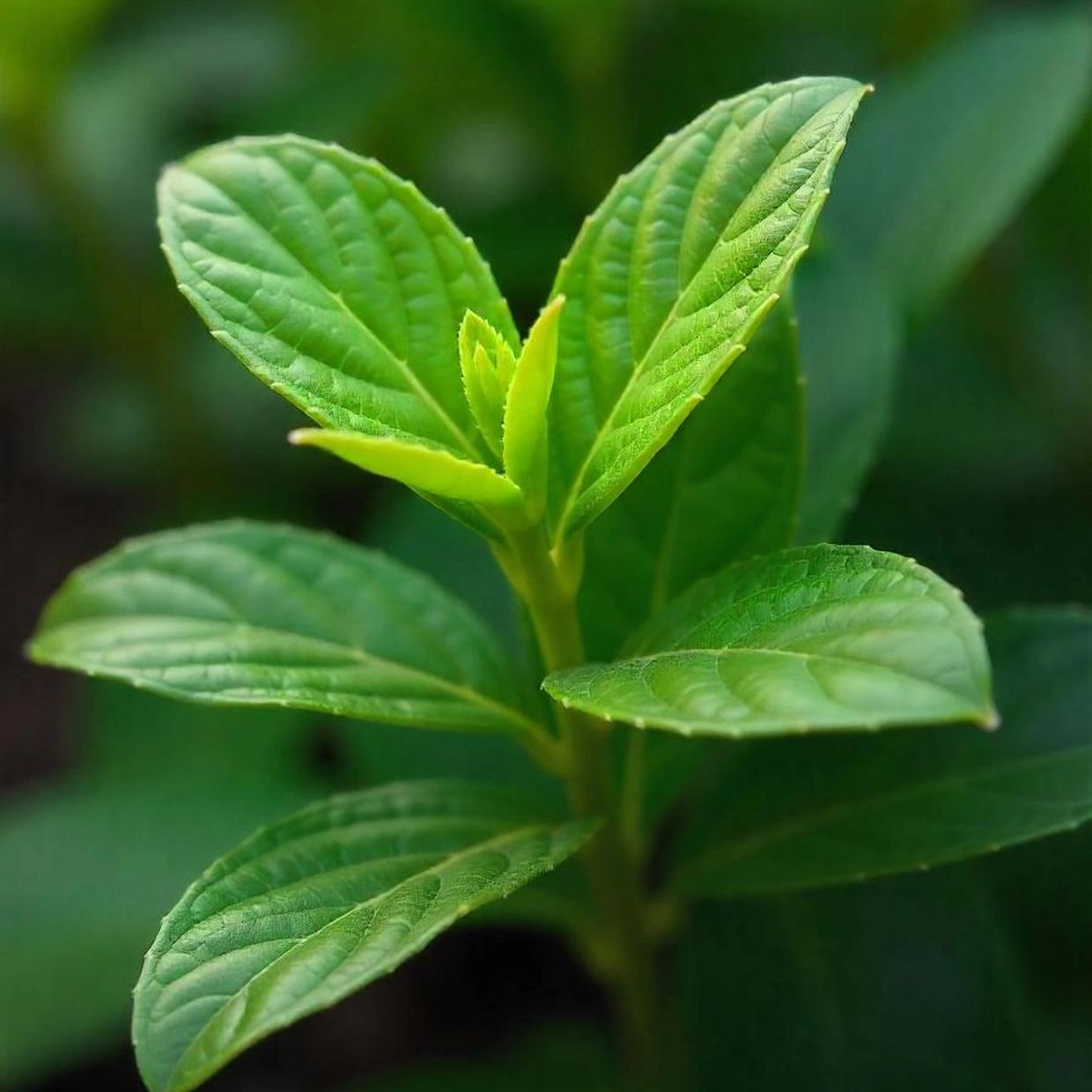
Cut off dead or yellow leaves regularly.
This helps the plant grow better and stay healthy.
Use clean scissors and trim carefully.
8. Rotate Your Plants
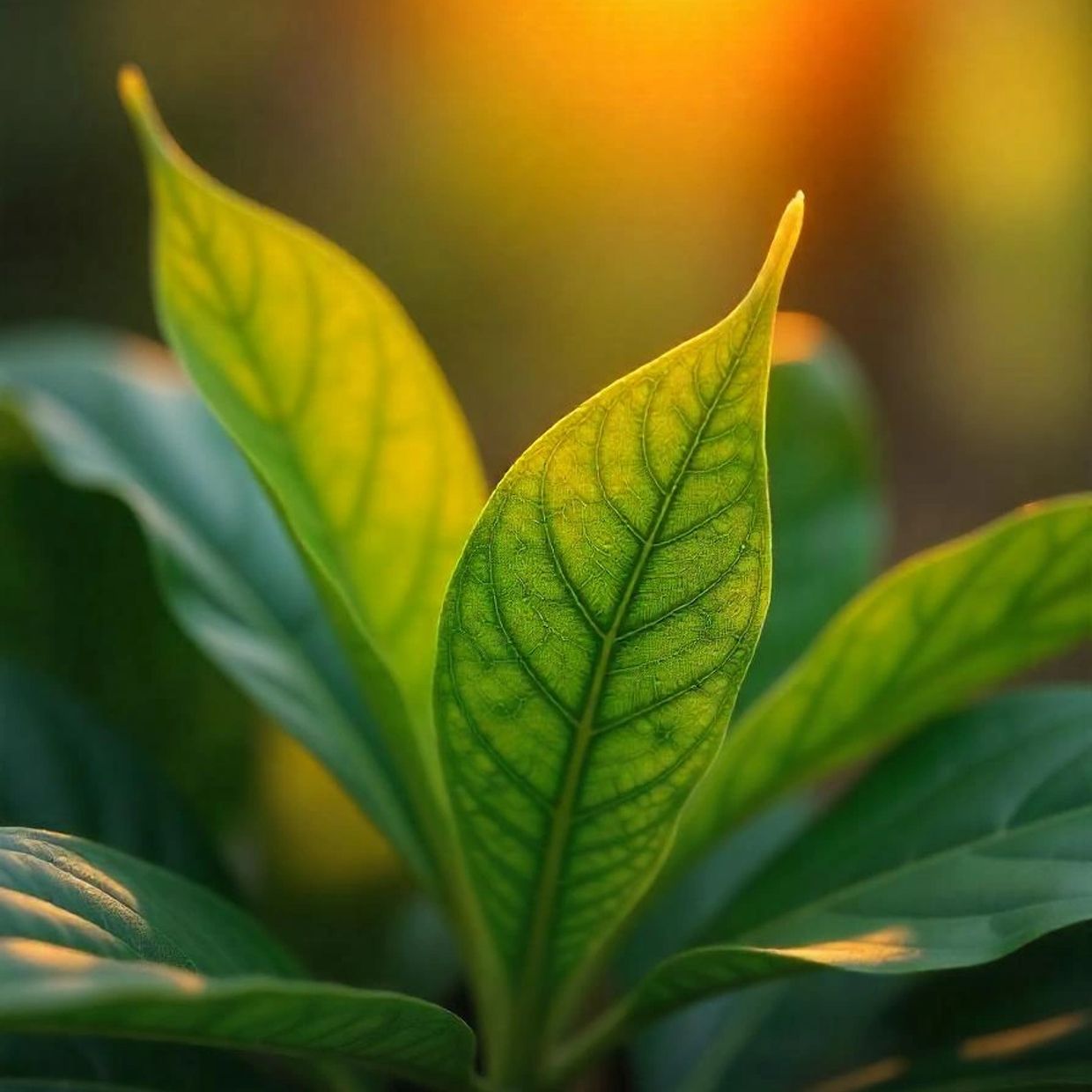
Plants grow toward light, which can make them lean.
Turn your plants once a week so all sides get light evenly.
This keeps the plant balanced and straight.
9. Watch for Pests
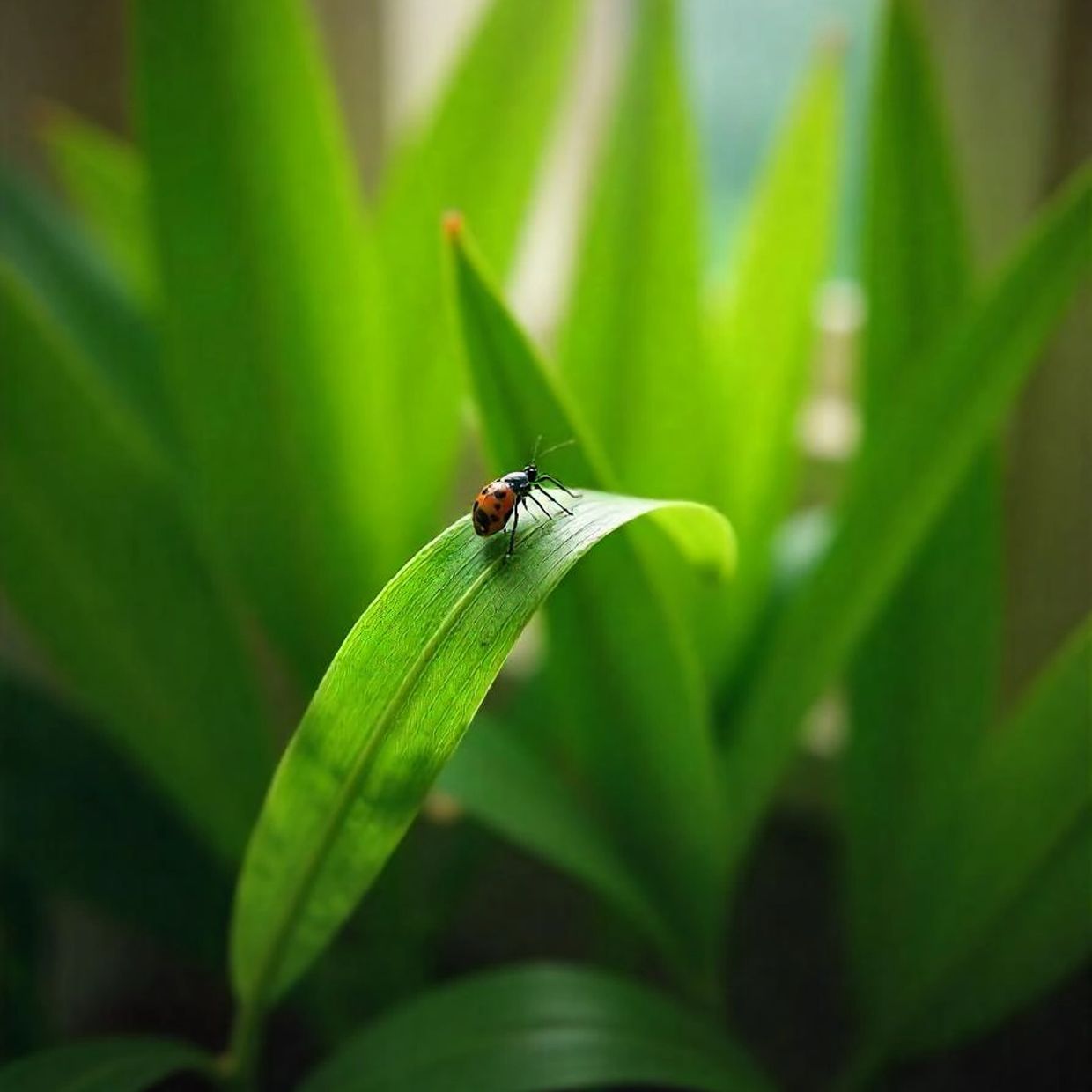
Check your plants often for small bugs or damaged leaves.
If you notice a problem, treat it early with safe solutions like neem oil.
Keep affected plants away from others until they recover.
10. Use Good Quality Soil
Good soil helps roots grow strong.
Use potting soil that drains well and contains nutrients.
Avoid using garden soil indoors, as it can become too hard.
11. Keep Temperature Stable
Most indoor plants like a steady temperature.
Avoid placing them near:
- Air conditioners
- Heaters
- Cold drafts
A comfortable room temperature works best.
12. Improve Air Circulation
Fresh air helps plants stay healthy.
Open windows sometimes or use a small fan.
Good airflow reduces the chance of plant problems.
13. Group Similar Plants Together
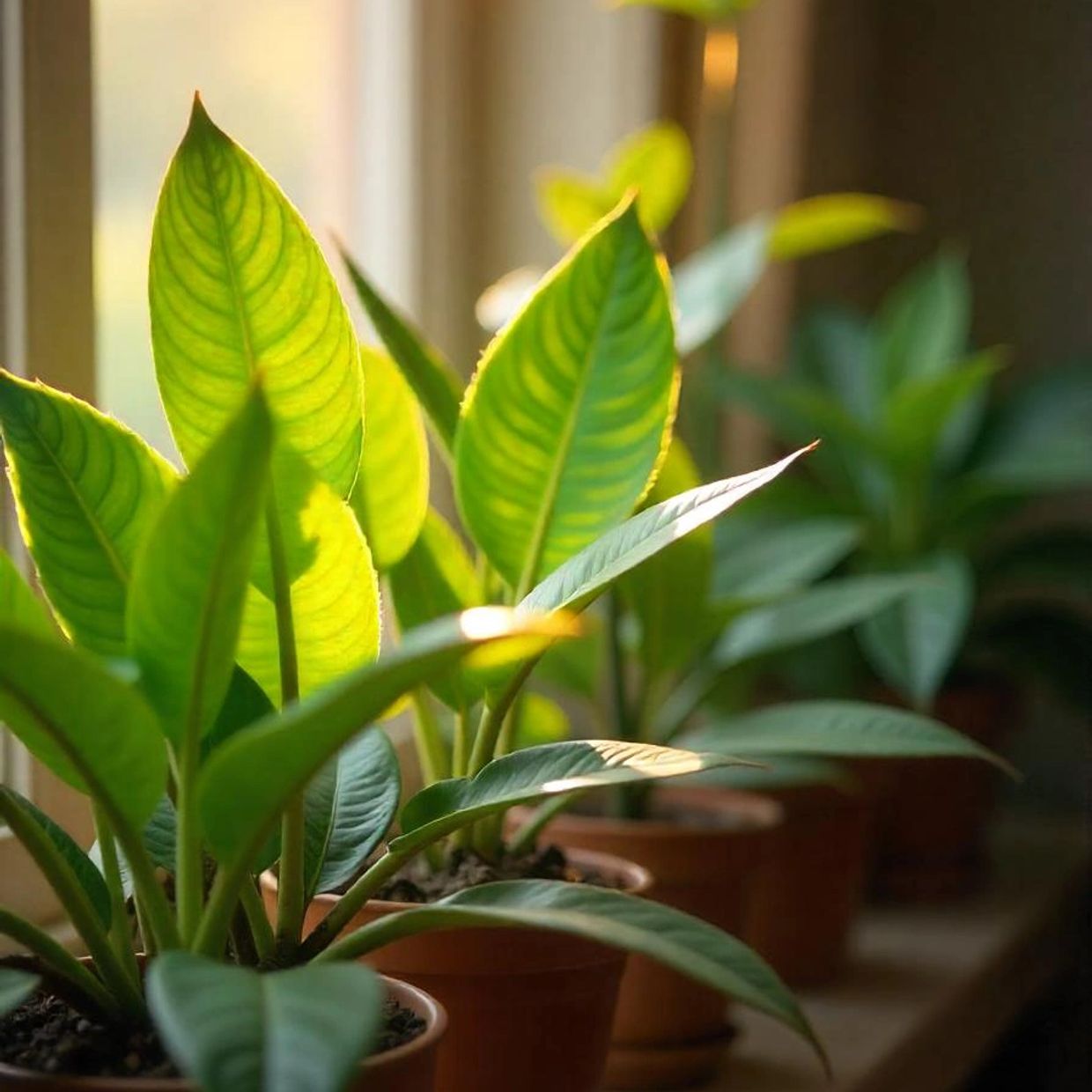
Place plants with similar needs in one area.
For example:
- Tropical plants together
- Dry-loving plants like succulents in another space
This makes care easier and more effective.
14. Be Patient and Consistent
Plants take time to grow.
Do not worry if you don’t see quick results.
Stick to a simple routine for watering, feeding, and cleaning.
With time and care, your plants will grow beautifully.
Final Thoughts
Taking care of indoor plants is simple when you follow the basics.
Start small, learn what your plants need, and stay consistent.
With a little effort, your home can become a fresh and relaxing space filled with healthy plants.